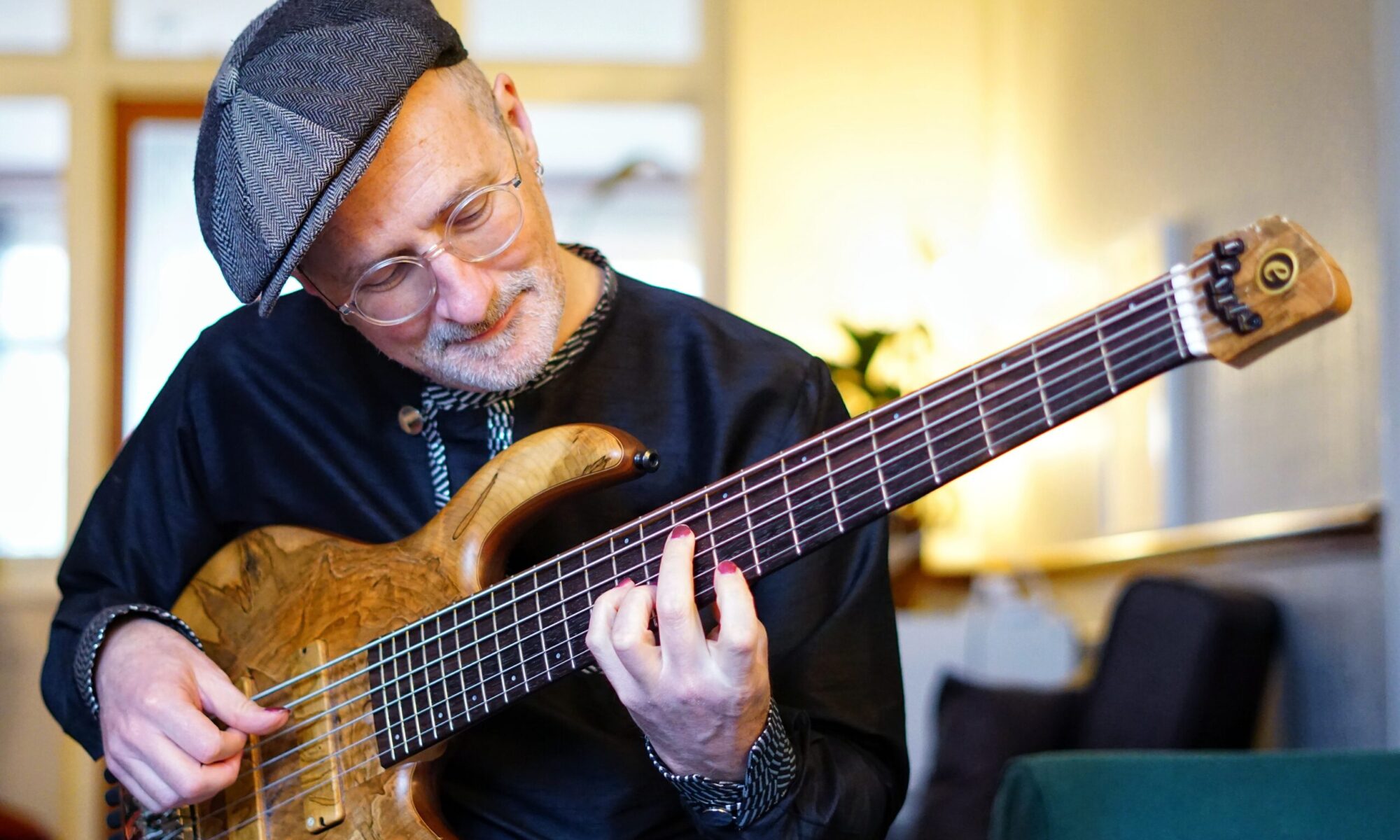
(This is the first time in many, many years that I’ve reproduced a ‘tweet-thread’ on the blog. Only this time, it’s from Bluesky, not that other hellscape. For those of you who are new-ish round here, I used to quite often brainstorm on Twitter, then move it over here. I’m not known for my brevity, but the Twitter format made me process things in a different, less rambling way. So here’s that:)
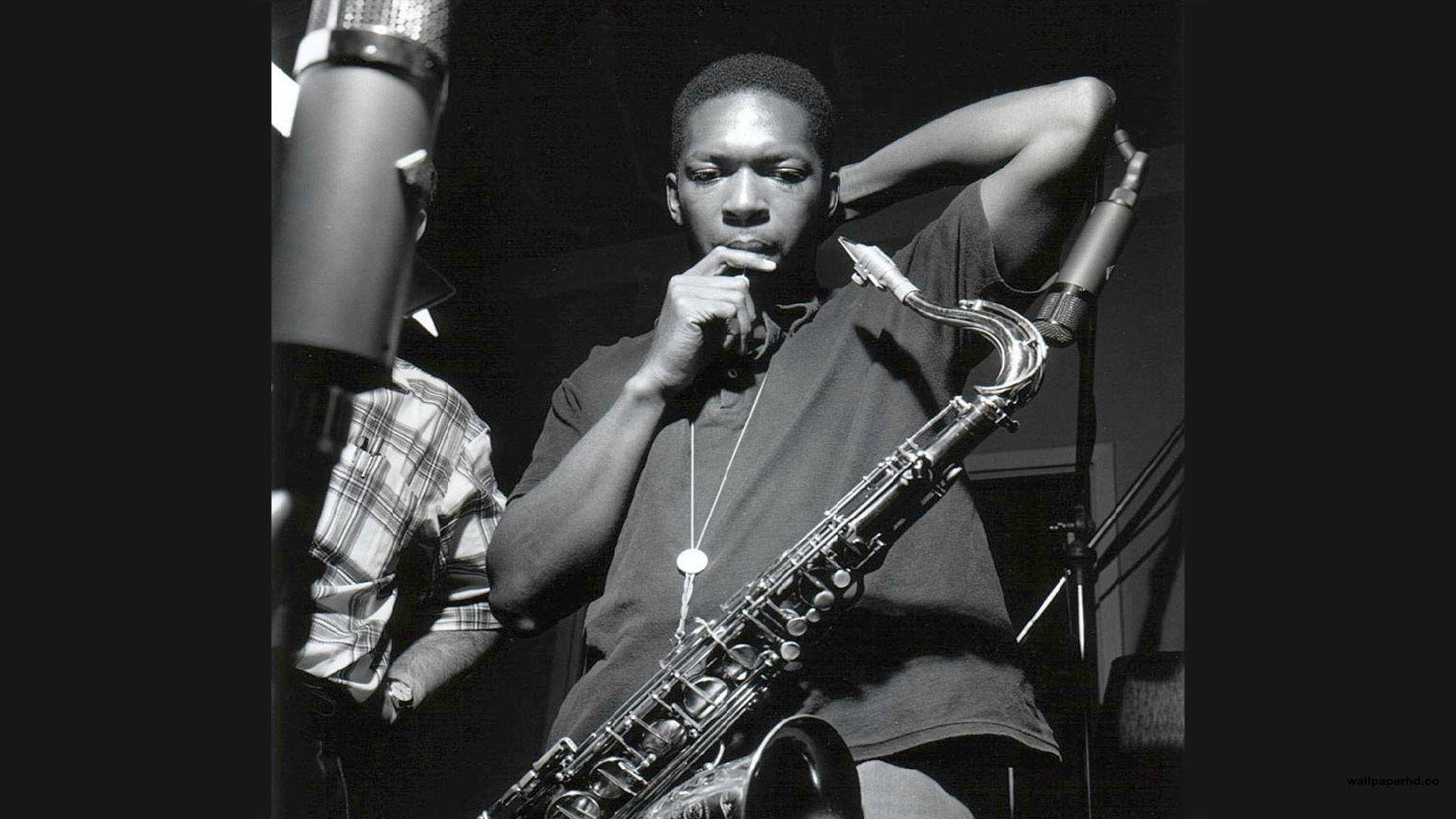
just found this amazing chronological list of everything Coltrane ever recorded:
Coupla things worth noting:
1. VERY few albums took more than a day. A lot of tracks were the first and only take.
2. Many of them weren’t released until years later. Our sense of what Coltrane was about at any stage in his career is at least partially shaped not by his development, but by the order in which things were released.
3. Our relationship with greatness has absolutely zero connection to how long things take to make. Anyone who talks about the value of art because of the time or money it takes to make is missing something essential about audiences. Those stories can be leveraged for value, but it’s not inherent.
4. Sometimes the significance of a record is there in the music. Sometimes it’s in the story about the music. We have absolutely no idea what ‘Trane thought was significant as he was making it. He wasn’t the one deciding what was released. The auteur nature of many musicians is way over-exaggerated
5. (and this needs unpacking at much greater length) Improvisation happens through time. The end of a piece of music is dependent on what happens at the beginning, at the choices made, at all kinds of messy human things. It’s the exact opposite of AI generated anything. Process > product.
6. Music that is the document of a process takes time to understand. The beginning may not mean anything until you hear where it goes. Then you listen to it again and are expecting the evolution, the denouement, the resolution. Again, obviously, AI has no mechanism for this, BUT…
7. …BUT… neither does most pop music production. Which is why it’s so susceptible to AI cloning. If you’re making a thing that is finished, that has no human responsiveness in it, no decisions made AS IT IS BEING MADE, you’re in the business of constructing a product, not documenting a process
8. It’s really tough to graduate from pristine aesthethics to a live, evolving, interactive model of music making. It requires a very different skill set, and also exemplary technique. Not to mention the discipline to STOP EDITING EVERYTHING. Sound human. There’s a reason why we love Tiny Desk Gigs.
9. If you’re looking to work out how this fits your music making, try doing both. Make a live version, film yourself making it, invite your audience into your process, rather than hiding it and presenting them with an edited, polished, inhuman product. Embrace your humanness, your momentary decisions.
10. My recording career seems insanely prolific. But it’s entirely intentional. I realised early on I wanted to make more music that the prevailing industrial model for releasing CDs allowed. I started out putting out extra CDs for early ordering, doubling my output.
11. Then I came up with the very first iteration of what became the subscription; uploading additional digital recordings for my ‘Street Team’. Just a folder on my server that may have been password protected, which a bunch of extra stuff that I loved but couldn’t fit into a CD release schedule.
12. Every iteration of my live rig was a step towards refining the fidelity of the recording of everything. By 2008, my live set-up was my studio. Total parity, every gig recordable, and if I liked it, releasable. That produced Live So Far with Lobelia, and 10 Years On: Live In London.
13: It all stepped up a gear when I started playing with Daniel Berkman – our 10 album set, FingerPainting, came out as downloads but also on a USB Stick. That changed a lot. All the way through, Coltrane, Miles, Prince and Prefab Sprout were the artists I was inspired by.
14: Coltrane and Miles because they made albums in a single session. Prince and Prefab Sprout because they were emblematic of just how poorly served prolific recording artists are by the mechanics of the mainstream music industry. Subscription economics cuts through all of that.
15. I find it odd when people use subscriptions just for demos, bootleg-quality recordings, documenting process without ever embracing the joy of actually making that stuff sound amazing by practicing how to do it. It takes a lot of effort to convince people that my 10 albums a year aren’t demos.
16. But in the history of jazz, 10 album recording sessions a year was/is nothing. As Ralph Towner said to innerviews.org:
“The ECM format is very intelligent, but it’s very demanding in that you have two days to do a record in most cases and then you have one day for mixing.” So you prepare well.
17. Lastly (cos this has turned into a blog post in a shit format), practicing with the intention of playing release quality music every time you pick up your instrument will completely change your relationship music. You’ll be way way better on gigs, a better improviser, have better ears. win/win.
(as I said, I need to unpack the relationship between Improvisation and AI-resistant art more. Watch this space.)