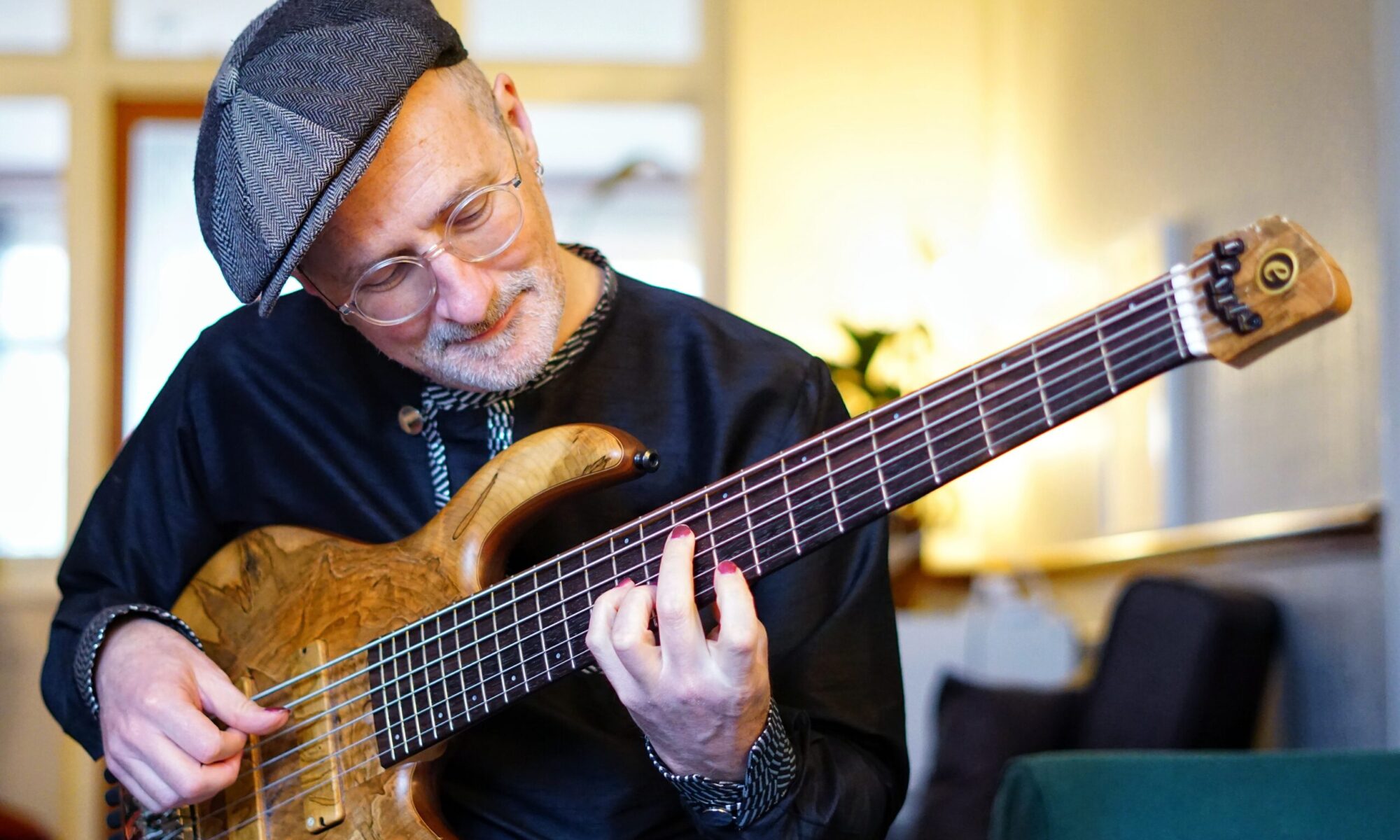
I’ve been posting video over on Instagram and Facebook over the past few weeks, talking about some ideas around music and social media, with an unsurprising emphasis on audiences.
I’ve been trying to work out where the best place to host them for longer term access is, and realised that Flickr will host video up to 10 minutes, so have put this on my account there to test this out. Here’s some thoughts on why Social Media algorithms interfere with the way we communicate as musicians with our audience… Would love to know your thoughts in the comments x

(here’s a transcript, for those who can’t do video – loosely edited from the autogenerated closed captions in the Edits App…)
Why do we have to talk weird just to have a conversation with our audience?
This is a thing I like to think of as the tyranny of the algorithm. Or it could easily be Pavlov’s algorithm, because the algorithm that decides what people get to see sorts it based on a bunch of really, really bizarre criteria.
What happens is that there’s this drip drip effect on the way that people talk, the way they present, the way they manipulate video in order to expand their audience and their reach
But what dies in that is.. Nuance is expansive cultural expression is the opinions of people who are unsure that everybody is wildly confident and comes across as though they’re just making these massively declarative statements about the world and edits out all the gaps see me i’m stumbling on my words because i’m not this isn’t scripted i’m just chatting and
And I think part of it is that we’ve lost the joy of not going viral. I don’t want this or anything else that I do particularly to go viral. I want to reach people who actually want to have a conversation, I want to reach the people that I already know. Even reach is kind of an odd word – I just want to have a conversation. I don’t talk about reaching people by going outside. I don’t reach my students. I just talk to them.
But we have this really odd relationship with the robots that intervene between us and the people who might get to see what we do, so we’re making video – and music as well, but that’s a whole other question – we’re making video and editing pictures to please robots because they might then go and show them to humans.
That’s a mess! That’s a total mess we shouldn’t be doing that.
I’m gonna try and do more video on here and I hope that you get to see it if you are watching this you’ve got this far what with two minutes 15 into this if you get if you’ve got this far please do go and join the channel on my Instagram page I don’t post it very often but I will forward these kind of things to it so you actually get it as a message I’m not going to abuse that I’m not gonna I’m not I have no interest in posting to it honestly daily basis, I don’t think that’s a really healthy thing to do because your attention should be elsewhere. I don’t need and I certainly wouldn’t thrive on you sitting there waiting for me to post nonsense on Instagram every day
However, I do want to have a conversation and I’m not going to suddenly start shaking my phone in front of my face in order to convince a robot that somehow I’m exciting, I’m not going to put makeup on as a performative thing, I just, I suppose it’s important to say at this point, no shade on the people who do – I get that if, for whatever reason, content creation is how you make your money, pay your bills, or get a political point across. I get why you’re doing that, but I’ve always had a problem with the reduction in what, the metaphor that I always use is biodiversity
Our options are narrowing, that content is all becoming more of the same and that people won’t work ideas out in public anymore because everyone’s declaring their truth and we sort of surf between ever more shouty whatever. I don’t like the idea that we are getting like that.
and you’ll notive I’m not holding a microphone – I’m not sat here with something like a tin of sugar free mints talking to it like it’s a microphone. Maybe I should, maybe then the algorithm will start to listen to me… I don’t want the algorithm to listen to me!
My camera has a mic built in, my phone does, I’m sat in a very quiet room in my hose. It’s fine.
Anyway feel free to reply to this either in the channel or int he thing if you’re more interested in having a conversation than you are in having people shout at you and pummel you in the face with their big hot takes while shaing their camera and editing it to shit
